Understanding CNC Machined Stainless Steel Parts
CNC machining has emerged as a crucial technology in the manufacturing sector, particularly for the production of precision-designed stainless steel components. As industries demand higher standards for functionality and durability, cnc machined stainless steel parts have become increasingly important across a wide range of applications. This article delves into the characteristics, advantages, and manufacturing processes involved in CNC machining of stainless steel parts, offering insights into the latest trends and technologies shaping the industry.
What are CNC Machined Stainless Steel Parts?
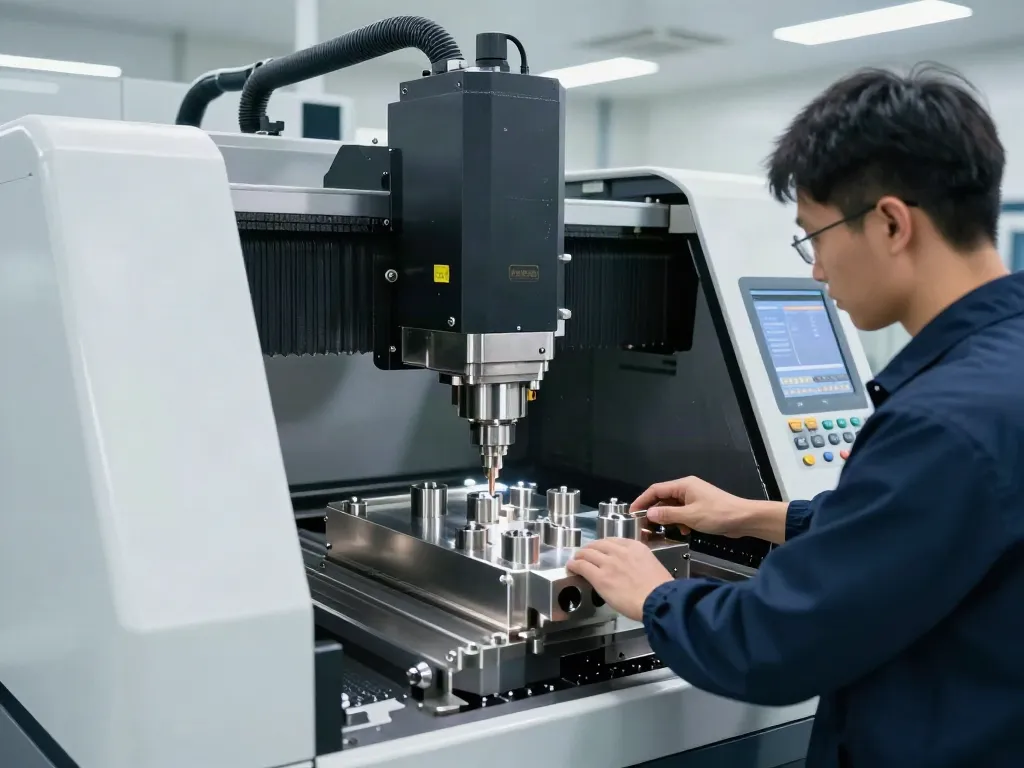
CNC (Computer Numerical Control) machining refers to the automated control of machining tools using a computer. This technology is integral in creating parts with high precision and tolerances. CNC machined stainless steel parts are components made from stainless steel alloys that have been shaped and finished through CNC processes, which can include milling, turning, and various drilling operations. These parts are produced according to specific designs and tolerances, providing significant advantages in terms of quality and scalability.
Benefits of Stainless Steel in CNC Machining
Stainless steel is renowned for its excellent corrosion resistance, which is a key factor in various applications, especially those exposed to harsh environmental conditions. Some distinctive properties of stainless steel that enhance its performance in CNC machining include:
- Corrosion Resistance: Stainless steel parts can withstand moisture, chemicals, and extreme temperatures.
- Durability: Its high tensile strength offers significant structural integrity over extended periods.
- Aesthetic Appeal: Stainless steel can achieve a mirror-like finish, making it ideal for consumer-facing applications.
Industry Applications for CNC Machined Parts
CNC machined stainless steel parts are widely utilized in several industries:
- Medical: Surgical instruments and medical implants made from stainless steel provide essential biocompatibility and sterility.
- Food Processing: The material's hygienic characteristics make it suitable for equipment in food preparation and storage.
- Chemical Engineering: Stainless steel can handle corrosive substances effectively, sustaining reliability in chemical manufacturing processes.
- Aerospace: Lightweight yet strong, stainless steel components are critical in various aviation applications.
Advanced CNC Machining Techniques
To produce high-quality parts, CNC machining methods continue to evolve, incorporating advanced technologies to meet increasing demands for precision and efficiency. Understanding the latest techniques can help manufacturers optimize their processes and outputs.
High-Precision Techniques in CNC Machining
High-precision machining involves using advanced tools and CNC systems that enable tighter tolerances and superior finishes. Techniques such as 5-axis machining allow for more complex geometries, reducing cycle times and enhancing component complexity without sacrificing accuracy. Furthermore, micro-machining techniques enable the production of miniature parts that maintain the integrity of the material properties.
Utilizing CAD/CAM Software for Custom Designs
The integration of CAD (Computer-Aided Design) and CAM (Computer-Aided Manufacturing) software streamlines the design and fabrication processes. Engineers can create intricate designs and simulate performance before production. By employing CNC programming, these designs translate into machine paths, optimizing manufacturing efficiency while minimizing material waste. Popular software like SolidWorks and Mastercam are commonly used in this phase.
Evaluating the Latest CNC Technology and Equipment
The landscape of CNC machining is continuously changing with technological advancements. New CNC machines equipped with automation capabilities, such as robotic arms and IoT connectivity, greatly enhance production efficiency. Features like adaptive cutting allow machines to adjust parameters on the fly based on feedback, improving part quality and reducing material friction during production.
Quality Control and Assurance in CNC Machining
Quality control is critical in CNC machining, ensuring that all components meet specified standards and functional requirements. Manufacturers implement rigorous quality assurance measures throughout the production process.
Implementing Effective Quality Control Protocols
Quality control protocols in CNC machining encompass several steps, including the initial inspection of raw materials, in-process quality checks, and final product testing. Utilizing tools such as CMM (Coordinate Measuring Machines) allows for precise measurement of part geometries, ensuring adherence to design specifications.
Assessing Tolerance and Surface Finish Standards
Tolerances in CNC machining can greatly affect the performance of the finished product. Industry standards often dictate acceptable tolerances based on application, while surface finish standards can range from rough to mirror-finish, dictated by the part's intended use. Regular audits and certifications can help maintain compliance with international standards such as ISO and ASTM.
The Role of Inspections in the Manufacturing Process
Inspections should be integrated at various stages of the manufacturing process to detect and rectify potential issues early on. Employing non-destructive testing methods, like ultrasonic and dye penetrant tests, can provide insights without compromising the integrity of the parts.
Choosing the Right Stainless Steel Materials
Selecting appropriate stainless steel grades is fundamental to achieving desired performance characteristics in CNC machined parts. Different grades offer varied benefits based on the specific requirements of the application.
Comparing Various Stainless Steel Grades
Common stainless steel grades used in machining include:
- 304 Stainless Steel: Known for its excellent corrosion resistance, making it suitable for food and chemical applications.
- 316 Stainless Steel: Offers superior corrosion resistance, especially beneficial in marine environments and pharmaceuticals.
- 430 Stainless Steel: Often used for more decorative applications due to its resistance to oxidation.
Understanding Corrosion Resistance and Durability
The corrosion resistance of stainless steel is attributed to its chromium content, which forms a protective layer against corrosive agents. However, different grades have varying levels of corrosion resistance and durability, impacting their suitability for specific applications. It's critical to assess the operating environment to select the appropriate grade that enhances longevity.
Factors to Consider for Material Selection
When selecting stainless steel for CNC machined parts, consider factors such as:
- Intended application and environment
- Mechanical properties like tensile strength and fatigue resistance
- Budgetary constraints versus performance requirements
Future Trends in CNC Machining for 2026
The CNC machining industry is poised for transformative advancements in the coming years. Keeping abreast of these trends will be essential for manufacturers seeking to leverage new opportunities and improve efficiencies.
Impact of AI and Automation on CNC Machining
Artificial Intelligence (AI) is set to revolutionize CNC machining by enabling predictive maintenance, optimizing CNC programming, and enhancing operational efficiency. AI algorithms can analyze machine data in real-time, allowing for adjustments that minimize downtime and maximize productivity.
Green Manufacturing Practices and Sustainability
Sustainability is becoming a priority in manufacturing processes, including CNC machining. Manufacturers are adopting eco-friendly practices, such as reducing waste and energy consumption while increasing the use of biodegradable lubricants. Such approaches not only lessen environmental impacts but also appeal to a growing consumer demand for sustainable products.
The Rise of Customization in CNC Machining
As industries increasingly seek personalized solutions, the demand for customized CNC machined parts is on the rise. This trend is facilitated by advancements in CAD/CAM technologies that allow for more complex and personalized designs to be produced efficiently. Customization enables companies to differentiate themselves in competitive markets.