Understanding the Mini Split AC System
The mini split AC system, also known as a ductless air conditioning system, has surged in popularity in recent years due to its energy efficiency, versatility, and ease of installation. Unlike traditional HVAC systems that rely on ductwork, mini splits offer a streamlined solution for heating and cooling individual rooms or zones. With their sleek design and minimal footprint, they can easily blend into various living spaces, making them a favored choice for both residential and commercial applications. When exploring options, mini split ac system provides comprehensive insights into the diverse models and features available on the market today.
What is a mini split AC system?
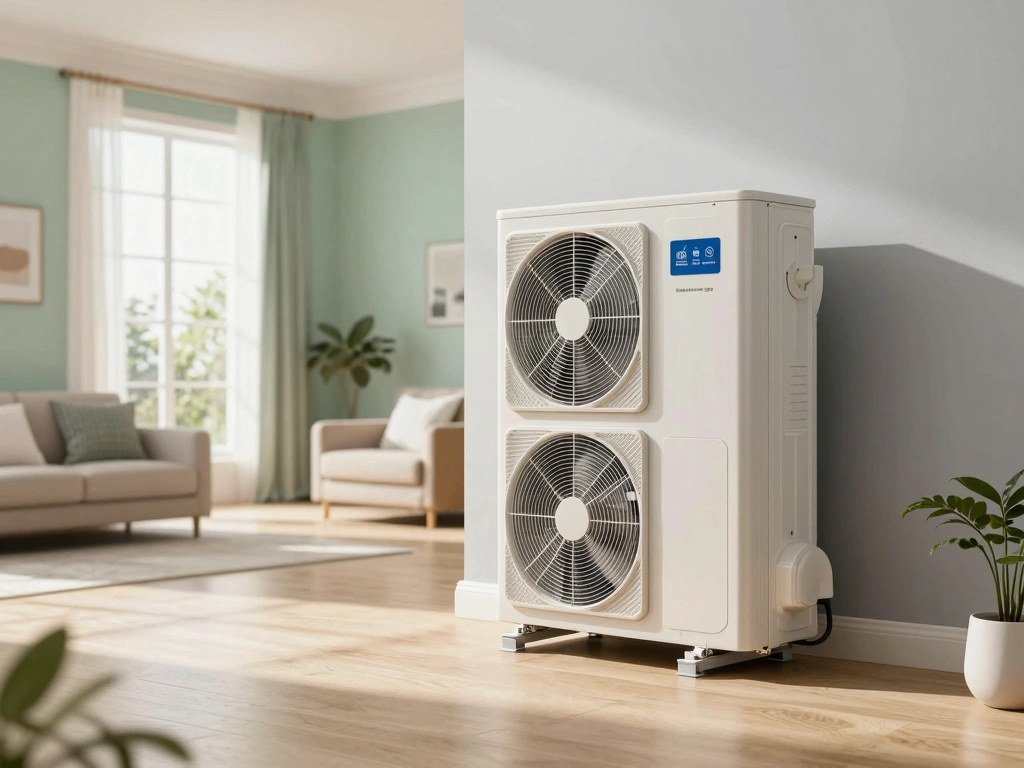
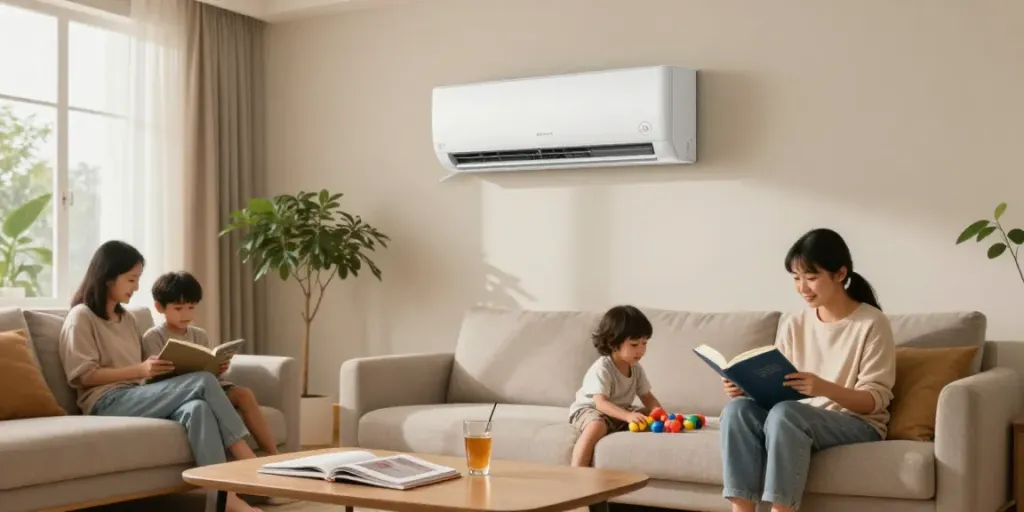
A mini split AC system comprises two main components: an outdoor compressor unit and one or more indoor air-handling units. The outdoor unit is responsible for dissipating heat from the refrigerant, allowing cool air to circulate inside the building. The indoor units are mounted on walls or ceilings and are designed to deliver conditioned air directly into the room. This configuration allows for quiet operation and localized temperature control, making mini splits particularly appealing for spaces like bedrooms, offices, and living rooms.
Benefits of using mini split systems
- Energy Efficiency: Mini splits use inverter technology, which allows them to adjust the compressor speed according to the cooling demand, resulting in lower energy consumption compared to traditional systems.
- Flexibility: With multiple indoor units connected to a single outdoor unit, mini splits can provide customized climate control for different areas in a home or office.
- Easy Installation: The absence of ductwork simplifies installation, reducing both time and labor costs. Most systems require only a small hole in the wall for the refrigerant lines.
- Quiet Operation: Indoor units operate at low noise levels, ensuring a comfortable environment without disruptive sound.
Components and how they work
The efficiency of a mini split AC system lies in its simple yet effective components. The outdoor unit houses the compressor and condenser, while the indoor units contain the evaporator coil. Refrigerant circulates between these components, absorbing heat from the indoor air and expelling it outside. The process begins when warm air enters the indoor unit, where the evaporator coil cools it down. The cooled air is then circulated back into the room, resulting in a comfortable living space.
Installation Process for Mini Split Systems
Installing a mini split AC system requires careful planning and execution to ensure optimal performance. Proper preparation and execution can mitigate potential issues and enhance the system's efficiency and longevity.
Preparing your home for installation
Before installation, assess the areas you want to cool or heat. The number of indoor units will depend on the size and layout of your spaces. Additionally, consider the placement of the outdoor unit; it should be located in an area with adequate airflow and access for maintenance. Ensure that there is sufficient clearance around the unit for efficient operation.
Step-by-step installation guide
- Choose the appropriate system size and number of indoor units based on the area you want to condition.
- Install the mounting bracket for the indoor unit on the wall, ensuring it is level and secure.
- Drill a small hole through the wall to connect the refrigerant lines and drain line, making sure to protect the lines from damage.
- Mount the indoor unit on the bracket and connect the refrigerant lines and electrical wiring.
- Install the outdoor unit, connecting it to the indoor units via the refrigerant lines and ensuring proper drainage.
- Charge the system with refrigerant, following manufacturer guidelines, and test all functions before finalizing the installation.
Common installation challenges
During installation, homeowners may face challenges such as improper sizing, which can lead to inadequate cooling or heating, or difficulty in finding a suitable location for the outdoor unit. Additionally, ensuring a secure connection between indoor and outdoor units is crucial to prevent refrigerant leaks. Seeking professional help or guidance from experienced technicians can help navigate these challenges effectively.
Cost and Efficiency of Mini Split AC Systems
Understanding the cost and efficiency factors associated with mini split AC systems is critical for homeowners making an informed investment decision.
Typical cost of installing a mini split system
The installation cost for a mini split system can vary widely based on several factors, including the make and model of the system, the number of indoor units, and installation complexity. On average, homeowners can expect to spend between $3,000 and $8,000 for a typical installation, which includes the units themselves, labor, and additional components. However, this investment often leads to significant energy savings over time.
Energy efficiency ratings explained
Energy efficiency for mini split systems is measured using the Seasonal Energy Efficiency Ratio (SEER) and Heating Seasonal Performance Factor (HSPF). A higher SEER rating indicates better cooling efficiency, while a higher HSPF rating signifies superior heating performance. Homeowners should aim for systems with a SEER rating of at least 16 and an HSPF rating of 8.2 or higher for optimal savings.
Long-term savings and ROI
Investing in a mini split AC system can yield substantial long-term savings on energy bills. Because of their energy-efficient design, homeowners can expect to see a return on their investment in as little as three to five years, depending on usage and local electricity rates. Additionally, some regions offer incentives for energy-efficient upgrades, further enhancing the financial benefits.
Maintenance Tips for Mini Split Systems
To ensure reliable operation and longevity of your mini split AC system, regular maintenance is essential.
Regular maintenance tasks to perform
- Clean or replace filters: Indoor units should have their filters cleaned or replaced every one to three months, depending on usage levels.
- Inspect the outdoor unit: Regularly check the outdoor unit for debris, and ensure that it is free from obstructions that could hamper airflow.
- Schedule professional maintenance: Annual inspections by a qualified technician can help identify potential issues before they escalate.
Signs your mini split needs servicing
Be vigilant for signs that your mini split system might require maintenance, including insufficient cooling or heating, unusual noises, or increased energy bills. These symptoms may indicate a need for repair or servicing to restore optimal functionality.
DIY troubleshooting tips
If you encounter issues with your mini split system, there are some troubleshooting steps you can take before calling a technician. Check if the thermostat is set correctly, ensure that filters are clean, and inspect wiring and connections. However, if these steps do not resolve the issue, seeking professional assistance is recommended.
Future Trends in Mini Split Technologies
As the HVAC industry continues to evolve, mini split technologies are set to benefit from advancements that improve efficiency and functionality.
Emerging technologies and advancements
Future developments may include smart technology integration, enabling homeowners to control their mini split systems via smartphone apps or smart home systems. Additionally, advances in inverter technology may lead to even greater energy efficiency and performance improvements.
Predictions for mini split systems in 2026
By 2026, the mini split market is expected to see increased adoption among environmentally conscious consumers. With rising awareness about climate change, more homeowners may opt for energy-efficient options that lessen their carbon footprint. Manufacturers are likely to respond by introducing advanced models with superior energy performance and eco-friendly refrigerants.
How to choose the right system for your needs
When selecting a mini split AC system, consider the size of your space, energy efficiency ratings, and specific features that align with your comfort preferences. Consulting with HVAC professionals can provide valuable insights tailored to your needs, ensuring that you invest in the best system for your home.
What are the downsides of a mini split AC system?
While mini split systems offer numerous benefits, there are some downsides to consider. The initial installation cost can be high, and the aesthetics of indoor units may not appeal to everyone. Additionally, without regular maintenance, these systems may experience performance issues over time.
Is a mini split AC system worth the investment?
The investment in a mini split AC system is often justified by the long-term energy savings, customization of climate control, and improved indoor air quality. For many homeowners, the benefits outweigh the costs.
How does a mini split compare to traditional HVAC systems?
Compared to traditional HVAC systems, mini splits offer greater energy efficiency and flexibility due to their ductless design. They also require less extensive installation, which can be a significant advantage in retrofitting older homes.
Can I install a mini split system myself?
While DIY installation is possible for the mechanically inclined, hiring a professional is generally advisable. Proper installation is crucial for system efficiency and reliability, and professionals can ensure that all local codes and regulations are followed.
What factors affect the efficiency of a mini split AC system?
The efficiency of a mini split system can be influenced by several factors, including the size and placement of the units, the insulation of the home, and the frequency of maintenance. Properly sizing the system for the specific space is critical to achieving optimal performance.