
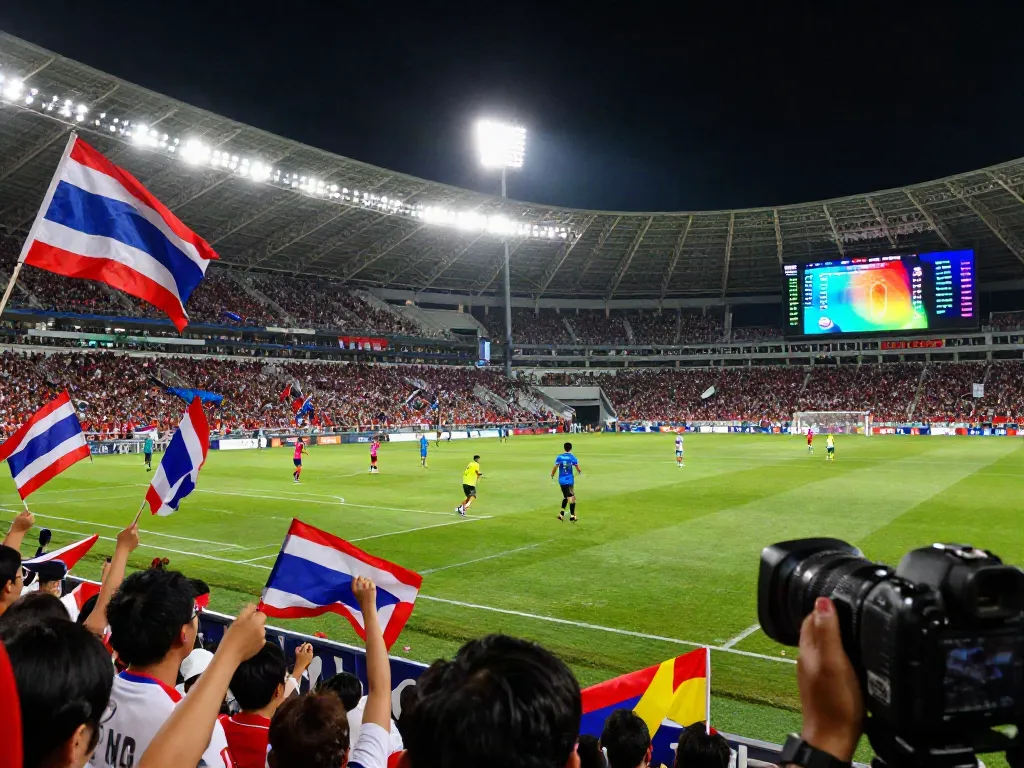
The Current State of Thai Football in 2026
In recent years, Thai football has seen a remarkable evolution, establishing itself as a competitive presence in Southeast Asia and beyond. The year 2026 marks a significant turning point as various leagues and clubs strive to enhance their performance and attract international attention. With increased investments, a focus on youth development, and initiatives to elevate the quality of play, Thai football is poised for growth. Fans are keenly interested in following the latest updates, and for comprehensive insights, ข่าวฟุตบอลไทย serves as a reliable resource for all football news.
Overview of Thai Football Leagues
Thai football consists of multiple leagues, with the Thai League 1 being the top-tier professional league. It encompasses various teams across the country, each competing for supremacy and aiming to qualify for continental tournaments. The league operates on a promotion and relegation system, providing opportunities for burgeoning teams to ascend the ranks and challenge established clubs. The competitive nature of the league draws significant viewership, and clubs are increasingly focused on acquiring both domestic and international talent to enhance their performance.
Key Players to Watch in 2026
As the Thai League continues to grow, several players have emerged as pivotal figures in their respective clubs. Young talents like Chakaphan Kaewprom and seasoned veterans such as Teerasil Dangda are crucial for their teams' success in both domestic and international competitions. Fans will be watching closely to see how these players perform under pressure, especially in crucial matches that could define their clubs' seasons. The blend of youth and experience is instrumental in shaping the future of Thai football.
Recent Developments and Trends
The football landscape in Thailand is witnessing a surge in fan engagement and enhanced media coverage. Clubs are now investing in marketing their brand more effectively, aligning with the changing dynamics of football fandom. The integration of technology and analytics, alongside improved player scouting processes, is also becoming commonplace, enabling clubs to make informed decisions regarding player acquisitions and game strategies.
Market Dynamics of Football Transfers in Thailand
The transfer market in Thai football is becoming increasingly vibrant, reflecting global trends of player movements and negotiations. Clubs are keenly aware that signings can significantly influence their performance and public image. Understanding transfer fees, contract structures, and the financial implications of transfers has never been more critical for clubs operating in this competitive environment.
Understanding Transfer Fees and Contracts
Transfer fees in Thailand vary widely, depending on various factors such as player skill, age, and market demand. Clubs also need to navigate the complexities of contract negotiations, which can include clauses regarding performance bonuses, loyalty incentives, and further demands from agents. Overall, the transfer landscape is dictated by market forces, and clubs that adapt quickly to these changes tend to thrive.
The Rise of Young Talents
There is a notable trend toward the development of young players, as clubs are investing in their youth academies to cultivate homegrown talent. These young players are increasingly making their way into senior teams, providing them with invaluable experience and exposure. This not only helps in strengthening the squad but also reduces reliance on expensive foreign imports. Clubs that successfully develop homegrown talent stand to benefit immensely in terms of both performance and financial gain.
Impact of International Players in the League
International players continue to have a significant impact on Thai football, bringing diverse skills and experiences that raise the overall quality of play. The influx of foreign talent can also provide local players with valuable mentorship, fostering a more competitive environment. Clubs are now more selective regarding their foreign signings, looking for players who can integrate smoothly into the local culture while contributing significantly on the pitch.
Fan Engagement and Media Coverage
The engagement of fans plays a critical role in the success of any sports league, and Thai football is no exception. Clubs are increasingly utilizing social media platforms and other digital avenues to connect with fans and enhance their overall experience. The rise in technological engagement has made it easier for fans to follow their favorite teams and players.
How Social Media Influences Football News
Social media has transformed how football news is disseminated, allowing fans immediate access to updates, highlights, and analyses. Clubs are actively using platforms such as Facebook, Instagram, and Twitter to share behind-the-scenes content, player interviews, and match previews. The real-time nature of social media helps build excitement around matches and keeps fans engaged throughout the season.
Role of Traditional Media in Reporting
Despite the rise of social media, traditional media outlets continue to play a crucial role in football journalism. Newspapers, television channels, and radio stations provide in-depth analyses and reports that often go beyond what is available online. This dual layer of media coverage enriches the overall narrative of Thai football, allowing fans to get a well-rounded view of developments.
Engaging with Fans during Transfer Seasons
Transfer seasons are often rife with speculation and excitement. Clubs have recognized the need to engage their fan base during this volatile time by providing transparent communication regarding potential signings and departures. Fan forums, online voting, and interactive Q&A sessions can enhance this engagement, making fans feel more included in the club's journey.
Future Predictions for Thai Football
As the landscape of Thai football continues to evolve, several predictions can be made regarding its future. Increased investment and a focus on enhancing the quality of play are likely to aid in elevating the league's status, both regionally and internationally. Adaptability and innovation will be key to navigating the coming years successfully.
Anticipated Changes in League Structure
Future changes in the league structure, including potential expansions and alterations to promotion/relegation systems, may arise as clubs continue to grow. Such changes could lead to a more competitive environment, ensuring that performance remains at the forefront of every club's ambitions.
Emerging Trends in Player Development
The emphasis on youth development is expected to continue, with clubs increasingly prioritizing their academies. By investing in player education and facilities, clubs can ensure a steady influx of talent that can compete at the highest levels. The establishment of collaboration with international clubs for knowledge exchange will further benefit Thai football.
The Influence of Technology on Football
Technology is set to play a significant role in the future of Thai football. From performance analysis software to injury prevention technologies, clubs that embrace advancements will gain a competitive edge. Data analytics will also shape player recruitment strategies and game tactics, enabling clubs to stay ahead of their rivals.
Building a Stronger Football Community
Strengthening the football community in Thailand is essential for sustaining growth and development. Collaborative efforts between clubs, fans, and local organizations can enhance the overall football culture.
Grassroots Programs for Young Players
Investing in grassroots programs is crucial for nurturing the next generation of football talent. By providing young players with the necessary coaching and resources, clubs can instill a passion for the game and develop skills essential for their future careers. Collaboration with schools and local organizations can help broaden the reach of these programs.
Collaborations with International Clubs
Establishing partnerships with international clubs can foster knowledge exchange and provide opportunities for local players to train abroad. Such collaborations can help elevate the standard of play in Thailand while creating a bridge for players to access global opportunities.
Creating a Supportive Fan Culture
A vibrant and supportive fan culture is integral to the success of Thai football. Encouraging fans to participate in club activities, attend matches, and engage in community outreach can enhance the overall experience. Clubs that prioritize building strong relationships with their fan base will likely see benefits both on and off the pitch.
How to Follow the Latest Updates?
Fans looking to stay updated with the latest developments in Thai football have several options. Following club social media accounts, subscribing to sports news websites, and engaging with dedicated football forums can provide timely information on matches, player transfers, and other newsworthy events.
What Are the Best Sources of Information?
While many platforms provide information on Thai football, a select few are particularly noteworthy. Websites dedicated to football news, such as local sports networks or dedicated football news platforms, offer insights that go beyond the surface, making them valuable resources for fans.
How to Engage with Fellow Fans?
Joining online forums or attending local matches can help fans connect with each other. Active participation in discussions and sharing opinions can enrich the fan experience and foster a sense of community around Thai football.