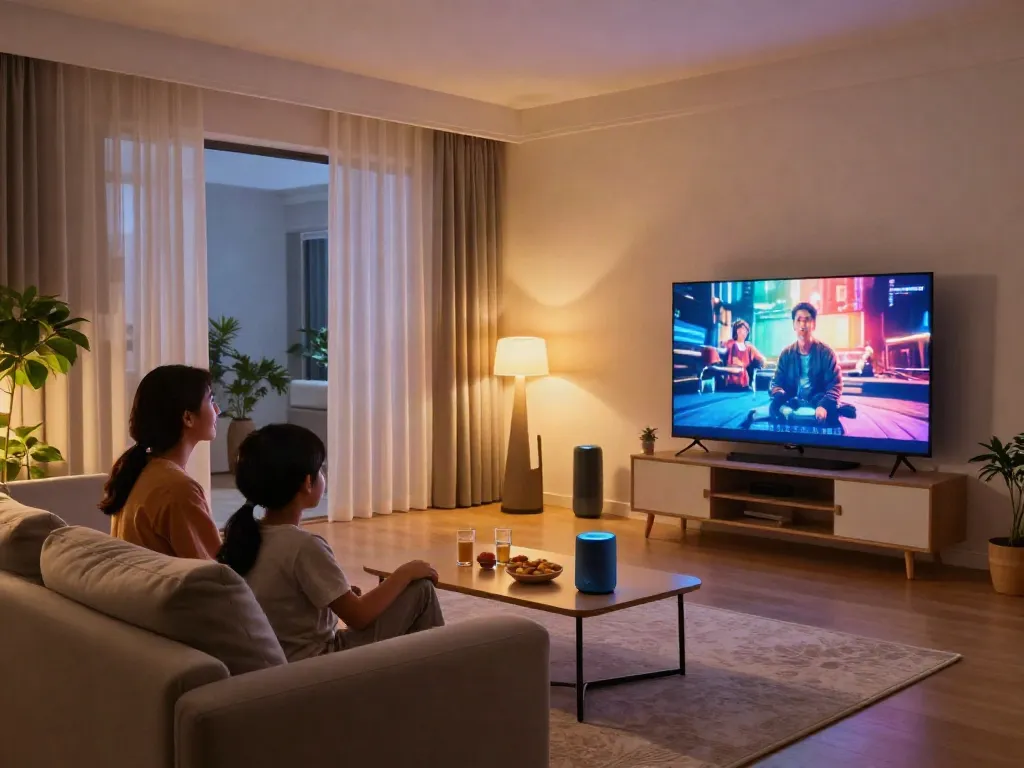
Understanding Smart Homes and their Features
In an era where technology embodies the essence of modern living, the concept of smart homes has emerged as a transformative trend in the residential landscape. A smart home integrates various devices and systems to enhance comfort, security, and energy efficiency, creating an interconnected environment that operates seamlessly. The importance of having a reliable partner in this journey cannot be overstated; thus, exploring options like جهان اسمارت can provide comprehensive insights into making your home smarter and more efficient.
What is a Smart Home?
A smart home refers to a residence equipped with a variety of devices that automate tasks traditionally handled by humans. These devices can be controlled remotely through smartphones or other devices, allowing homeowners to manage their homes even when they are away. The core idea is to enhance the convenience and efficiency of managing household tasks, thus improving the overall quality of life for occupants.
Key Features of Smart Home Technology
Smart home technology encompasses a wide array of devices. Some of the hallmark features include:
- Smart Lighting: Lighting systems that can be programmed to turn on/off or dim at specific times, or can be controlled remotely.
- Home Security Systems: Integrated solutions including smart locks, cameras, and alarms that enhance security.
- Smart Thermostats: Devices that learn your habits and adjust heating or cooling for optimal energy efficiency.
- Smart Speakers and Audio Systems: Systems designed to provide high-quality sound and control smart home devices through voice commands.
- Smart Appliances: Refrigerators, ovens, and washers that can be operated remotely or programmed for efficiency.
Benefits of Implementing Smart Systems
The advantages of smart home systems extend beyond mere convenience. A few key benefits include:
- Energy Efficiency: Smart systems can significantly reduce energy consumption by optimizing heating, lighting, and appliance use.
- Enhanced Security: With real-time monitoring and alerts, homeowners can feel safer and more secure.
- Increased Convenience: Automation of mundane tasks improves the quality of life and allows for time savings.
- Remote Management: Control your home from anywhere, providing flexibility and peace of mind.
Identifying Potential Risks in Smart Home Systems
While smart homes offer many advantages, they also introduce potential risks that must be addressed to ensure a secure environment. Understanding these vulnerabilities is crucial in avoiding possible pitfalls.
Common Security Vulnerabilities in Smart Devices
Smart devices often connect to the internet and may have security flaws that can be exploited by cybercriminals. Common vulnerabilities include:
- Weak Passwords: Many users do not change default passwords, which can facilitate unauthorized access.
- Outdated Software: Devices that are not regularly updated may become susceptible to malware and hacking attempts.
- Unsecured Networks: Smart devices connected to unsecured Wi-Fi networks can be easily breached.
Privacy Concerns with Smart Technology
Smart devices collect data to function effectively, which raises privacy concerns regarding how this information is used and shared. Users should be aware of:
- Data Sharing: Many services require access to personal data, which can be used for targeted advertising or sold to third parties.
- Surveillance Risks: Devices like smart cameras and speakers could potentially be used to monitor personal activities without consent.
Importance of Regular System Updates and Maintenance
Keeping smart home systems updated is crucial for maintaining security. Regular updates ensure that vulnerabilities are patched and the system operates efficiently. Homeowners should establish a maintenance routine to check software updates for all smart devices in the household.
Best Practices for Securing Your Smart Home
Implementing smart systems requires careful planning to mitigate risks. Here are some best practices to enhance the security of your smart home:
Implementing Strong Passwords and Authentication
Creating strong, unique passwords for each device is essential. Avoid using easily guessable information, and consider enabling two-factor authentication where available to add an additional layer of security.
Using Secure Networks for Device Connectivity
Always connect smart devices to a secure Wi-Fi network. Utilize a dedicated network for smart devices, isolating them from personal devices such as computers to limit exposure to potential hacking.
Regularly Monitoring and Auditing Smart Systems
Conduct routine checks on all smart devices and systems. Ensure that any unauthorized devices are removed, and familiarize yourself with how each device operates to catch any unusual behavior.
Real-World Examples of Smart Home Failures
Learning from past incidents can help prevent future failures in your smart home system. Here, we analyze some notable cases:
Case Study: Data Breaches in Smart Systems
One significant breach occurred when hackers exploited security vulnerabilities in smart cameras, gaining unauthorized access to a large number of homes.
Lessons Learned from Smart Home Security Incidents
These incidents underline the importance of robust security measures, emphasizing the necessity for regular updates and secure authentication methods.
Preventative Measures Taken by Smart Home Owners
After experiencing breaches, many homeowners adopted stricter security protocols, such as changing passwords regularly and ensuring all devices use encrypted networks.
Future Trends in Smart Home Technology
As smart home technology continues to evolve, we can expect several exciting developments that will enhance functionality and security:
Emerging Technologies Enhancing Smart Home Safety
Innovations such as AI-driven security systems and advanced monitoring technologies are paving the way for safer smart homes. These systems can predict potential security threats by analyzing usage patterns.
Predictions for Smart Home Development in 2026
By 2026, we anticipate an increase in integration between different smart devices, enabling them to work more collaboratively. This will result in highly responsive environments that adjust to the homeowner's preferences automatically.
How to Stay Informed on Smart Technology Innovations
Stay updated on the latest trends by subscribing to industry newsletters, attending conferences, and participating in online forums dedicated to smart home technology. Engaging with communities can provide insights on best practices and emerging products.
What are the main benefits of a smart home?
The primary benefits include enhanced comfort, improved security, energy efficiency, and increased convenience in managing household tasks.
How can I improve the security of my smart home?
Implement strong passwords, secure your Wi-Fi network, and regularly update your devices to protect against vulnerabilities.
What common devices are included in a smart home?
Smart homes typically include smart lighting, security systems, thermostats, appliances, and voice-activated assistants.
How often should I update my smart home systems?
Regular updates should be performed as soon as they are available to ensure that devices remain secure and function correctly.
What are the future trends in smart home technology?
Expect to see increased automation, enhanced AI functionality, and improved interoperability between devices, creating a more cohesive smart home experience.