Understanding Custom Water Treatment Equipment
In an era where environmental sustainability is paramount, Custom Water Treatment Equipment has become integral for industries aiming to meet regulatory requirements while maintaining operational efficiency. These innovative systems are tailored to address specific water quality challenges, ensuring that various sectors, from municipal water treatment to industrial applications, can achieve their environmental goals effectively.
What is Custom Water Treatment Equipment?
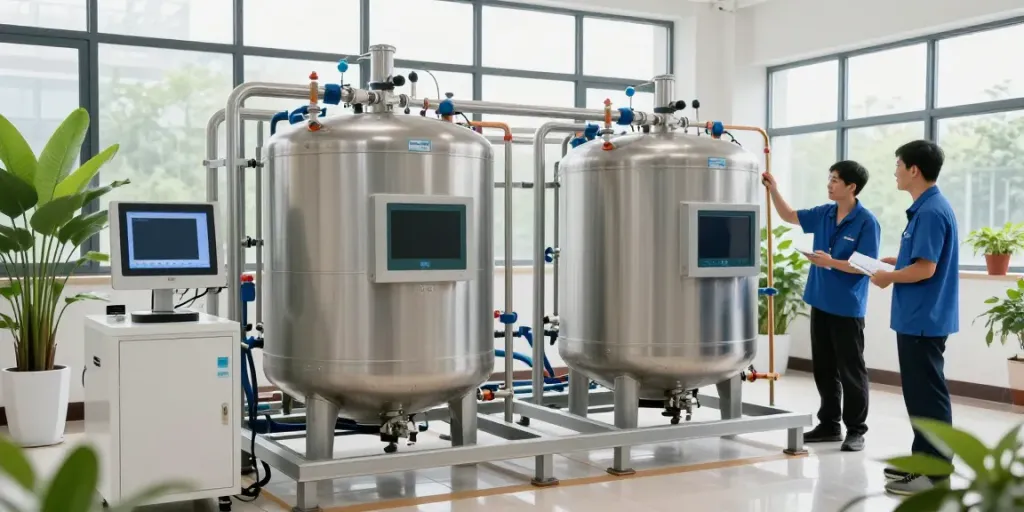
Custom Water Treatment Equipment refers to specialized systems designed to meet unique water processing needs across different industries. Unlike standard systems, these solutions are engineered to handle specific contaminants or treatment processes, providing tailored water treatment solutions for applications ranging from wastewater management to drinking water purification.
Key Features and Benefits of Custom Solutions
- Tailored Design: Custom systems are designed with specific parameters in mind, ensuring optimal performance based on the water quality and contaminant levels present.
- Enhanced Efficiency: By focusing on specific treatment goals, custom solutions often utilize innovative technologies and processes that can outperform generic systems.
- Scalability: Many modular custom solutions allow for easy scalability, adapting to the growing needs of businesses without a complete overhaul of the existing system.
- Cost-Effectiveness: In the long term, custom solutions can reduce operational costs through increased efficiency, lower maintenance needs, and minimized downtime.
Market Trends in Water Treatment Technology
The water treatment industry is evolving rapidly, driven by advancements in technology and increased environmental regulations. Key trends include the integration of digital technologies for real-time monitoring, enhanced automation for chemical dosing, and the implementation of advanced filtration methods such as membrane technologies. Additionally, the focus on sustainability is propelling industries to adopt more environmentally friendly practices, which in turn fuels the demand for custom solutions that align with these initiatives.
Applications of Modular Water Treatment Systems
Modular water treatment systems are versatile solutions that can be configured to suit various applications across multiple industries. Their adaptability makes them an attractive choice for companies looking to implement effective water treatment processes.
Industries Benefiting from Custom Solutions
- Chemical Industry: Custom water treatment systems ensure that water used in chemical processes is free from impurities that can affect quality and safety.
- Food and Beverage: In these sectors, compliance with health regulations is critical. Custom solutions help maintain high standards in water quality, ensuring safe production processes.
- Textile Manufacturing: Water used in dyeing and finishing processes must be treated to avoid contamination, making custom systems essential in this industry.
- Municipal Water Treatment: Cities and towns benefit from custom systems capable of addressing specific water quality issues, such as heavy metals or bacteria.
Case Studies of Effective Implementation
Several businesses have successfully implemented custom water treatment systems to address specific challenges. For example, a textile manufacturing plant faced issues with the high levels of colorants in wastewater. By adopting a tailored filtration system, they not only improved the quality of treated water but also significantly reduced their environmental footprint, allowing them to meet regulatory standards without incurring excessive costs.
Multi-scenario Adaptability: Is It Worth the Investment?
Investing in custom modular systems can yield significant returns for industries that require flexible and efficient solutions. As operational needs change, these systems can be adapted or expanded to meet new challenges, thereby preserving capital investments over time. For example, manufacturers in the food sector may need to adjust their water treatment systems to comply with new regulations, and custom solutions provide the necessary adaptability without requiring an entire system overhaul.
Integrated Chemical Process Systems Explained
Integrated Chemical Process Systems (ICPS) are cutting-edge solutions designed to optimize chemical dosing processes in water treatment applications. By employing advanced technology and automation, these systems enhance both efficiency and safety.
Components and Functionality of Integrated Systems
ICPS systems typically consist of several key components, including:
- Sensors: For real-time monitoring of water quality parameters, ensuring precise chemical dosing.
- Control Algorithms: Intelligent software that adjusts chemical dosing based on sensor feedback, maintaining optimal water quality without excess.
- Automated Execution: Integration of pumps and mixers that ensure accurate and timely delivery of chemicals.
Ensuring Safety and Efficiency in Chemical Dosing
Safety is paramount in any chemical dosing process. Integrated systems reduce human error through automation, providing a consistent and reliable approach to chemical management. Moreover, by optimizing the use of chemicals, businesses can mitigate risks associated with over-dosing or under-dosing, ultimately protecting both their employees and the environment.
Real-world Benefits of Automation in Water Treatment
Automation in water treatment processes leads to numerous advantages, including:
- Reduced Labor Costs: Less manual intervention translates to lower operational costs.
- Improved Compliance: Automated systems can ensure that treatment processes meet or exceed regulatory standards consistently.
- Enhanced Data Collection: Automated systems provide valuable data that can be leveraged for ongoing improvements and troubleshooting.
Choosing the Right Custom Water Treatment Equipment Supplier
Selecting a reliable supplier for custom water treatment equipment is crucial for successful water management strategies. The right partner can provide not only equipment but also expertise and support to ensure that systems perform optimally over time.
Criteria for Selecting a Reliable Manufacturer
- Experience: Look for manufacturers with a proven track record in designing and implementing custom water treatment solutions.
- Technical Expertise: Ensure the supplier has in-depth knowledge of the latest technologies and regulatory standards.
- Support Services: Evaluate the level of customer support offered, including installation, maintenance, and troubleshooting.
Evaluating Technical Support and Resources
Effective technical support is essential for the long-term success of your water treatment system. Suppliers that offer comprehensive resources, including training for operational staff and accessible customer service, can significantly enhance the functionality and lifespan of the equipment.
Custom Solutions vs. Standard Products: A Cost-Benefit Analysis
While standard water treatment solutions may seem cost-effective initially, they often lack the flexibility and efficiency of custom systems. A thorough cost-benefit analysis should consider long-term operational savings, compliance with regulations, and the efficiency gains achieved through tailored approaches.
The Future of Water Treatment Solutions: Looking to 2026 and Beyond
As we look towards 2026, the landscape of water treatment continues to shift, driven by technological advancements and increasing regulatory pressures. Companies must stay ahead of these trends to remain competitive and responsible stewards of the environment.
Emerging Technologies in Water Processing
Upcoming technologies such as artificial intelligence for predictive maintenance, advanced filtration membranes, and smart monitoring systems are expected to revolutionize water treatment processes. These innovations will not only enhance treatment efficiency but also improve regulatory compliance.
Environmental Regulations Impacting Equipment Design
As environmental regulations become more stringent, manufacturers must design water treatment systems that not only meet these requirements but also proactively address environmental challenges. Innovations in equipment design that focus on energy efficiency and waste reduction will become paramount.
Enhancing Sustainability through Innovation
Looking to the future, businesses that invest in sustainable technologies and processes will be best positioned to thrive. Water treatment equipment that emphasizes resource conservation and eco-friendly practices will drive long-term success and compliance in an increasingly environmentally conscious market.
Can I install my own water treatment system?
Installing a water treatment system can be complex, and while some systems are designed for DIY installation, it is generally advisable to work with professionals to ensure compliance and effectiveness.
How much should a water treatment system cost?
The cost of a water treatment system can vary significantly based on design, components, and installation requirements. Custom solutions may have higher upfront costs compared to standard systems, but their long-term benefits often justify the investment.
Are modular systems better than traditional systems?
Modular systems offer greater flexibility and efficiency compared to traditional setups. They can be easily adapted to meet changing demands, making them preferable for many industries.
What industries can benefit from custom water treatment?
Industries including food and beverage, chemical manufacturing, textiles, and municipal services can all benefit from custom water treatment solutions tailored to their specific needs.
How do I maintain custom water treatment equipment?
Regular maintenance typically includes monitoring system performance, replacing filters as needed, and ensuring that all components are functioning properly to prevent outages and inefficiencies.