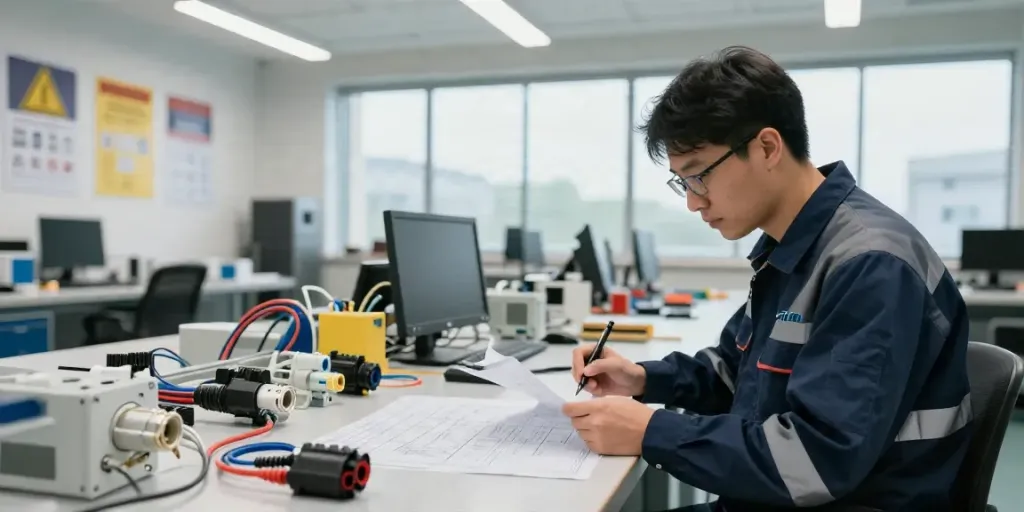
The Importance of Industrial Power Connectors
In today's fast-paced industrial landscape, the significance of reliable electrical connections cannot be overstated. Industrial power connectors play a critical role in ensuring the safety, efficiency, and functionality of electrical systems across various sectors. These connectors facilitate the transmission of electricity to heavy machinery, equipment, and various devices, significantly impacting operational efficiency and safety. As industries continue to evolve, understanding the role of these connectors, their types, and applications becomes essential for manufacturers, engineers, and procurement professionals. When exploring options, Industrial power connectors provide comprehensive insights into tailored solutions for diverse industrial needs.
Understanding Industrial Power Connectors: Types and Uses
Industrial power connectors are designed to deliver significant power loads, making them essential in various applications, including manufacturing, construction, and energy distribution. They come in a multitude of types, each tailored for specific requirements:
- Plug and Socket Connectors: These are the most common types, used to connect electrical equipment to the mains supply. They can handle a range of voltages and currents depending on their design.
- Heavy-Duty Connectors: Designed for robust environments, these connectors offer superior sealing and mechanical stability, making them suitable for outdoor and extreme conditions.
- Tool Connectors: Specifically designed for industrial tools, these connectors offer quick and secure connections for power tools used in various applications.
- Multi-Pole Connectors: Used in applications requiring multiple connections within a single unit, these connectors simplify wiring and maintain organization.
Common Challenges in Selecting Industrial Connectors
Choosing the right industrial power connector can be challenging, given the multitude of options available. Some common challenges include:
- Compatibility: Ensuring that connectors are compatible with existing equipment and systems can be challenging, especially in older installations.
- Environmental Factors: Connectors must be designed to withstand specific conditions such as moisture, dust, and extreme temperatures.
- Load Requirements: Accurately assessing the electrical load and ensuring the connector can handle it without overheating or failing is critical for safety.
Safety Standards and Regulations for Industrial Connectors
The safety and reliability of industrial power connectors are regulated by various international standards, reflecting the necessity for compliance in manufacturing and usage. Key regulations include:
- IEC Standards: Set by the International Electrotechnical Commission, these standards ensure connectors meet safety and performance benchmarks.
- UL Certification: Underwriters Laboratories provides certifications for electrical devices, ensuring they adhere to specific safety standards.
- RoHS Compliance: Regulation on Hazardous Substances restricts the use of specific toxic materials in manufacturing electrical components.
Key Applications of Industrial Power Connectors
Industrial power connectors are employed across various sectors to meet diverse operational needs:
Power Connectors in Industrial Automation
In industrial automation, power connectors are vital for connecting sensors, actuators, and controllers to power supplies and control systems. Reliable connectors enable uninterrupted operations, ensuring equipment operates smoothly without power interruptions.
Applications in Electric Vehicles and Charging Stations
The rise of electric vehicles (EVs) has spurred demand for efficient charging systems. Industrial power connectors are integral to these systems, providing safe and efficient energy transfer for rapid charging solutions.
Industrial Power Connectors in Medical Equipment
In medical environments, the need for reliable power connections is critical. Industrial power connectors ensure that essential medical devices operate continuously, maintaining patient safety and care effectiveness.
Choosing the Right Industrial Power Connector
Selecting the appropriate industrial power connector involves careful consideration of several factors:
Factors to Consider When Choosing Power Connectors
When evaluating connectors, consider the following:
- Current and Voltage Ratings: Ensure the connector can handle the required electrical load and voltage.
- Environmental Considerations: Select connectors designed for exposure to specific environmental factors, including moisture and dust.
- Ease of Use: Choose connectors featuring user-friendly designs for easy installation and maintenance.
Comparing Connector Specifications and Features
Not all connectors are created equal; hence, reviewing specifications such as IP ratings, locking mechanisms, and material types is essential to ensure the right fit for your application.
Customization Options for Unique Industrial Needs
Many manufacturers, including LANZ Electronics, offer customization options to tailor connectors for specific applications. Whether you need unique cable lengths or special configurations, customized solutions can enhance performance in demanding environments.
Best Practices for Installation and Maintenance
Proper installation and maintenance are essential for ensuring the longevity of industrial power connectors:
Step-by-Step Guide to Installing Industrial Power Connectors
Follow these steps for successful installation:
- Confirm compatibility with existing systems.
- Ensure power is disconnected before installation.
- Follow the manufacturer’s guidelines for mounting and securing the connectors.
- Conduct a proper electrical test after installation to ensure functionality.
Regular Maintenance to Ensure Longevity and Safety
Routine inspections and maintenance can prevent failure: check for signs of wear, clean connectors periodically, and ensure connections are secure.
Troubleshooting Common Issues with Power Connectors
Common problems include overheating, intermittent connections, and physical damage. Address these issues by:
- Inspecting connectors regularly
- Reconnecting loose connections
- Replacing damaged components promptly
Future Trends in Industrial Power Connectors
As technology advances, so too do industrial power connectors. Here’s what to expect in the coming years:
Innovations Shaping the Future of Industrial Connectors
Emerging technologies such as smart connectors and enhanced materials for durability and flexibility are at the forefront of innovation, ensuring connectors can meet the evolving demands of modern industries.
Predictions for Industrial Power Connector Technologies in 2026
We anticipate significant advancements in connector standards and technologies, including improved efficiency, enhanced safety features, and integration with IoT systems for real-time monitoring and diagnostics.
How Sustainability is Influencing Connector Manufacturing
Sustainable practices are becoming increasingly important, with manufacturers exploring environmentally friendly materials and processes. The demand for connectors that align with green initiatives will shape the future market.
What are the different types of industrial connectors?
Industrial connectors encompass a wide range of types, including power connectors, data connectors, and signal connectors, each serving specific functions across various industries.
What are industrial plugs called?
Industrial plugs are commonly referred to as "power plugs" or "heavy-duty connectors," designed to withstand higher loads than standard household plugs.
What are the different types of industrial electrical plugs?
There are several types of industrial electrical plugs, including three-phase plugs, single-phase plugs, and locking plugs, tailored for specific applications and environments.
What are the different types of power connectors?
Power connectors can be categorized into various types, including AC connectors, DC connectors, and waterproof connectors, each designed for specific electrical characteristics and environmental conditions.
How can I choose the right industrial power connector for my project?
Choosing the right industrial power connector requires evaluating your specific needs, including electrical specifications, environmental conditions, and the physical dimensions of the connectors to ensure optimal performance.