Understanding the AI Data Center Landscape
The evolution of technology has ushered in a new era of data management with the rise of AI data centers. These facilities are not just equipped for traditional computing; they are tailored to meet the demanding requirements of artificial intelligence applications, which require extensive processing power and advanced infrastructure. AI data center technologies are essential for the training and deployment of AI models, making them crucial players in the digital economy.
What Defines an AI Data Center?
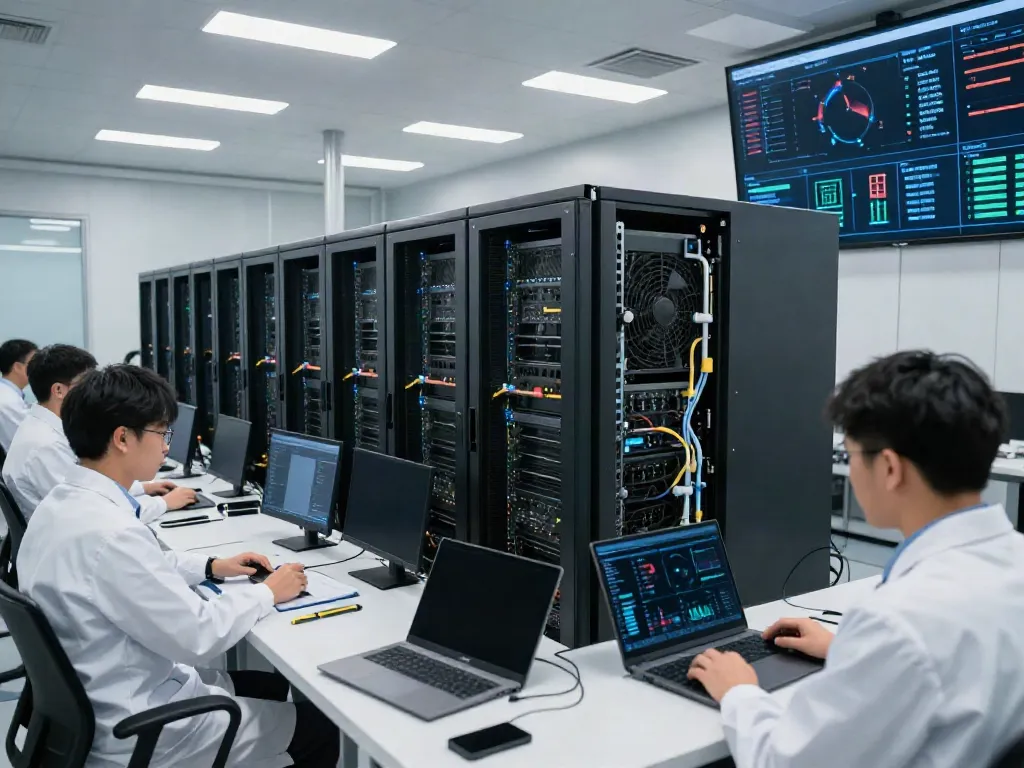
An AI data center is a specialized facility designed to handle the unique demands of artificial intelligence workloads. Unlike traditional data centers that primarily focus on general computing tasks, AI data centers emphasize high-density GPU (Graphics Processing Unit) infrastructure to facilitate rapid processing of large datasets. These facilities are optimized for parallel processing, essential for training machine learning models and executing complex algorithms efficiently.
Key Components of AI Data Infrastructure
- High-Performance Hardware: This includes a combination of CPUs and GPUs that are capable of executing numerous tasks simultaneously, speeding up data processing.
- Storage Solutions: AI data centers utilize advanced storage systems that support high throughput and low latency, ensuring that data retrieval does not bottleneck processing speeds.
- Networking Capabilities: Robust networking infrastructure is vital for communication between servers, especially when dealing with vast amounts of data generated by AI applications.
- Cooling Systems: The heat generated by high-performance computing hardware necessitates sophisticated cooling solutions to maintain optimal operating conditions and prevent hardware failure.
Comparing Traditional Data Centers to AI Data Centers
While both traditional and AI data centers serve crucial roles within IT infrastructure, they differ significantly in purpose and design. Traditional data centers often focus on hosting applications and managing data transactions with a straightforward storage and retrieval model. In contrast, AI data centers are purpose-built to support machine learning and deep learning workloads, which require enhanced computational capabilities and scalability. The unique requirements of AI tasks lead to substantial differences in power consumption, architecture, and operational management between the two.
Power Management in AI Data Centers
Efficient power management is fundamental to optimizing the performance of AI data centers. Given the extensive power requirements associated with running complex AI models, understanding how electricity powers AI operations can significantly impact an organization’s overall performance and sustainability efforts.
The Role of Power in AI Performance
Electricity serves as the lifeblood of AI operations; without a reliable power supply, the entire infrastructure cannot function effectively. AI applications, particularly those involving deep learning, demand significant computational resources, translating to higher energy consumption. Thus, strategic power management ensures that AI workloads run smoothly without interruptions, reducing the risk of downtime and enhancing performance consistency.
Implementing Efficient Energy Solutions
As AI data centers grow in prominence, integrating renewable energy sources becomes essential for sustainability. By implementing energy-efficient technologies such as solar panels, wind turbines, and advanced cooling systems, data centers can reduce their carbon footprint while promoting cost-effectiveness. Energy storage solutions also play a critical role, allowing data centers to manage energy consumption effectively during peak loads and ensuring uninterrupted service.
Balancing Scalability with Power Needs
As AI workloads increase in complexity and volume, the need for scalable power solutions becomes paramount. AI data centers must balance the growing demand for processing power with the infrastructure's ability to supply sufficient electricity. This necessitates continuous assessment and adaptation of power strategies, ensuring both scalability and efficiency. Establishing a flexible power infrastructure can lead to significant long-term cost savings and improved operational resilience.
Contribution Rewards in the AI Token Economy
The AI token economy presents a unique opportunity for stakeholders to engage with AI data centers through a reward system that incentivizes contributions towards the infrastructure's operational costs. This innovative model allows participants to earn tokens through their support and usage of AI services, effectively integrating them into the broader ecosystem.
How AI Token Services Operate
AI token services operate on a clear framework where tokens represent the computational resources utilized in executing AI tasks. These tokens are not cryptocurrencies but serve as a billing mechanism for the computational power and storage used in AI applications. By participating in this economy, individuals and organizations can track their contributions and receive rewards commensurate with their engagement levels.
Calculating Your Contributions and Rewards
Understanding how contributions translate into rewards is essential for participants in the AI token economy. Typically, platforms will record the computational tasks performed during a specific period, translating that activity into tokens based on predefined metrics. The more resources an individual or company supports, the greater their reward potential, motivating further participation and investment in AI capabilities.
Real-World Examples of Reward Systems
Several organizations have adopted models similar to the AI token economy to stimulate engagement. For instance, cloud service providers often reward clients according to their usage of services like data storage and processing power. These reward structures encourage clients to optimize their resource consumption while ensuring that service providers maintain operational efficiency and profitability.
Challenges in AI Data Center Operations
Despite the advantages of AI data centers, numerous challenges persist in their operations. Understanding these issues is crucial for stakeholders aiming to navigate the ever-evolving landscape of AI technology.
Common Misconceptions About AI Data Centers
One prevalent misconception is that AI data centers are merely an extension of conventional data centers. In reality, their requirements for sophisticated hardware, power, and cooling solutions set them apart. Additionally, many believe that the growth of AI data centers will exclusively lead to energy monopolies, whereas integrated energy solutions can lead to more sustainable practices.
Navigating Infrastructure Limitations
As demand for AI technologies surges, infrastructure limitations can hinder the development of AI data centers. These limitations may include inadequate power supply, insufficient networking capabilities, or a lack of skilled personnel to manage complex systems. Addressing these challenges requires significant investment and innovation to cultivate a robust and sustainable infrastructure that can support future AI endeavors.
Responding to AI Workload Demands
AI workload demands fluctuate significantly due to varying user needs. Data centers must adapt to these changes swiftly to maintain operational effectiveness. This requires advanced monitoring systems and predictive analytics to anticipate demand surges and allocate resources accordingly, ensuring a seamless user experience.
The Future of AI Data Centers and Emerging Trends
The trajectory of AI data centers is poised for remarkable transformations as new challenges and technologies emerge. Organizations must be agile and forward-thinking to navigate this uncharted territory successfully.
Predictions for AI Data Center Development in 2026
As artificial intelligence continues to mature, it is predicted that AI data centers will become increasingly integrated with edge computing solutions. This will facilitate faster data processing closer to where it is generated, reducing latency and improving user experience. Additionally, the increasing adoption of 5G technology will further enhance the capabilities of AI data centers, enabling seamless connectivity and real-time analytics.
Innovative Technologies Shaping AI Infrastructure
Emerging technologies such as quantum computing and advanced machine learning algorithms are set to redefine the capabilities of AI data centers. Quantum computing, in particular, stands to accelerate data processing speeds dramatically, enabling AI applications that were previously thought impossible. The convergence of these technologies will push the boundaries of what AI can achieve.
Strategies for Long-Term Success in the AI Space
To thrive in the evolving landscape of AI, organizations must adopt comprehensive strategies that encompass both technology and workforce development. Investing in employee training, fostering an inclusive culture, and prioritizing sustainability will position companies favorably in the competitive AI marketplace.
What is the AI data center?
The AI data center is a specialized facility that houses the advanced infrastructure required to support the hefty computational demands of artificial intelligence, from training models to delivering AI-powered services.
Where are most AI data centers located in the US?
Most AI data centers in the United States are located in technology hubs like Silicon Valley, Seattle, and Austin. These regions benefit from a combination of proximity to skilled talent, robust infrastructure, and strong demand for AI services.
Who is the largest AI data center?
As of 2026, the largest AI data center is often identified as the Google Cloud AI and Machine Learning data center in Henderson, Nevada, which boasts extensive capabilities for supporting diverse AI workloads.
Why do we need AI data centers?
AI data centers are essential for processing the massive amounts of data needed for AI applications, enabling organizations to leverage AI for various functions from customer service to predictive analytics, thereby driving efficiency and innovation.
How are AI data centers contributing to the economy?
AI data centers contribute significantly to the economy by facilitating the development of AI technologies that drive efficiency and innovation across countless industries, ultimately leading to economic growth and job creation.